
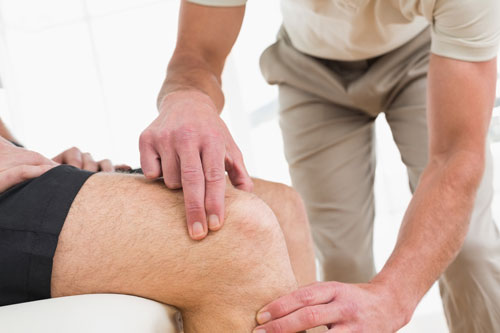

The knee is one of the most important joints in the body. It helps you walk, climb stairs, squat, run, work, exercise, and move through daily life with confidence. When knee pain starts, even simple tasks can become difficult. Pain may come from a sudden injury, repeated strain, age-related changes, weakness, poor movement habits, or recovery after surgery.
The first step is not just treating the pain, but understanding why it is happening. Knee pain can be linked to the joint itself, the kneecap, ligaments, tendons, muscles, cartilage, or even the way the hip, ankle, and foot are moving. This is why knee physiotherapy should begin with a clear assessment before any treatment plan is recommended.
How Knee Physiotherapy Helps You Recover
Effective recovery starts with a thorough assessment. A chartered physiotherapist will look at your symptoms, medical history, movement, strength, balance, walking pattern, and the specific activities that make your knee worse. This helps identify whether the problem is caused by irritation, weakness, stiffness, overload, instability, or poor movement control.
From there, your physiotherapist can create a personalised treatment plan. This may include hands-on care, guided exercise, education, load management, and a gradual return to sport, work, or daily activity. The aim of good physiotherapy treatment is not just short-term pain relief, but long-term improvement in how the knee functions.
A proper plan may help with:
- Reducing pain and swelling
- Improving knee movement and flexibility
- Rebuilding strength around the knee, hip, and core
- Supporting safer walking, stairs, running, or sports
- Reducing the risk of the same problem returning
Knee pain is rarely solved by one method alone. The best results usually come from combining clinical assessment, progressive exercise, and clear advice that fits your lifestyle.
Treatments Used in Knee Physiotherapy
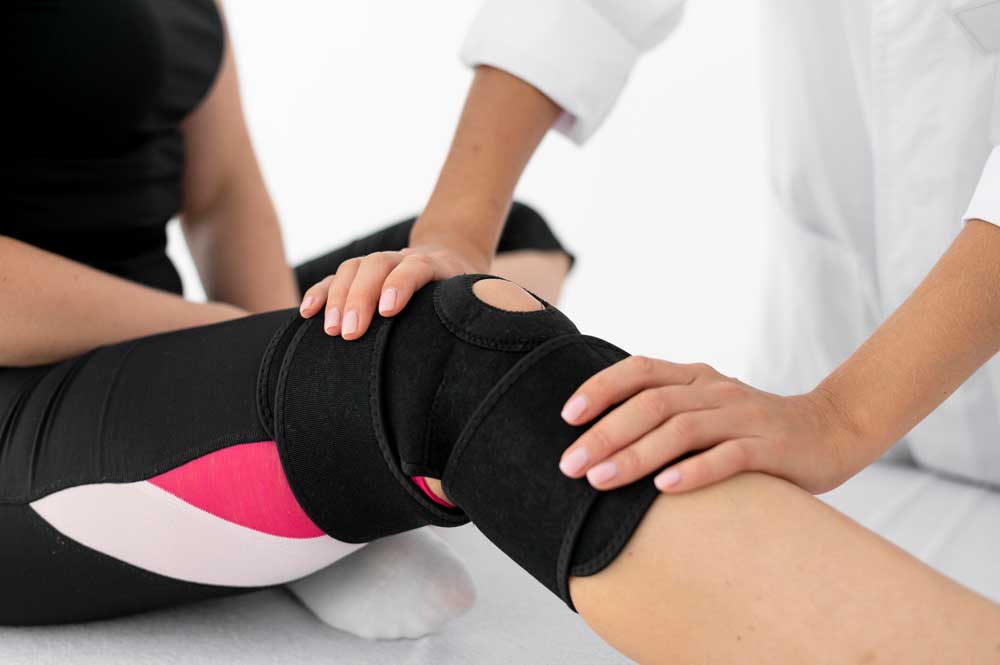
Manual therapy may be used to improve joint movement, reduce stiffness, and ease discomfort around the knee. This can include gentle mobilisation, soft tissue work, stretching, and movement-based treatment. These techniques are often combined with exercise because lasting recovery depends on helping the knee move better and tolerate load again.
Some patients may also benefit from modern treatment options such as shockwave physiotherapy or dry needling. These approaches may be recommended where tendon irritation, muscle tightness, or persistent pain is limiting progress. They are not used for every knee problem, but they can be helpful when included as part of a wider musculoskeletal physiotherapy plan.
Good knee physiotherapy should always match the person, not just the diagnosis. Two people with the same type of knee pain may need very different treatments depending on their strength, mobility, sport, work demands, age, and recovery goals.
Strengthening Exercises in Knee Physiotherapy
Movement is often one of the most important parts of recovery. When the muscles around the knee are weak or poorly coordinated, the joint can become overloaded. Strengthening helps the knee absorb force more effectively and gives better support during everyday activity.
A structured knee physiotherapy plan may include exercises for:
- Quadriceps strength to support the front of the knee
- Hamstring control to support stability and movement
- Glute and hip strength to reduce excess strain through the knee
- Calf strength for walking, running, and stair control
- Balance and coordination to improve confidence on uneven ground
- Core control through pilates, especially where posture and movement patterns affect lower-limb mechanics
Exercises should be progressed carefully. Doing too little may slow recovery, but doing too much too soon can irritate the knee. Your physiotherapist will guide you on the right level of effort, the correct technique, and when to progress.
Support for Sports Injuries
Knee injuries are common in sports, especially where there is running, twisting, jumping, contact, or sudden changes of direction. Conditions such as ligament sprains, meniscus irritation, patellar tendon pain, and ACL injuries need structured rehabilitation rather than guesswork. Sports physiotherapy helps rebuild strength, control, confidence, and sport-specific movement before returning to training or competition.
Support After Knee Surgery
After surgery, the knee needs careful, staged rehabilitation. Post-surgical rehabilitation may be recommended after procedures such as ACL reconstruction, meniscus surgery, cartilage procedures, or knee replacement. The goal is to restore movement, manage swelling, rebuild strength, and return the patient safely to daily life or sport.
Rehabilitation after surgery should be specific to the procedure, the surgeon’s guidance, and the patient’s progress. Rushing can increase the risk of setbacks, while a well-managed programme can improve confidence and long-term outcomes.
Simple Tips to Protect Your Knees
Protecting your knees does not mean avoiding movement. In many cases, staying active is essential, but the right type and amount of activity matters. Simple changes can reduce unnecessary stress and help prevent pain from returning.
- Wear supportive footwear
- Build strength gradually
- Avoid sudden spikes in training
- Warm up before exercise
- Take early action when pain does not settle
- Vary your activity to avoid repeated stress
If you have other pain areas, such as the neck, back, hip, or shoulder, it may also affect how you move. For example, someone receiving physio for shoulder pain may still need lower-limb strength and balance work if their overall activity level has dropped. The body works as a connected system, so recovery is often most effective when the full movement pattern is considered.
Expert Care from Chartered Physiotherapists
Choosing a qualified professional matters because knee pain can have many causes. A chartered physiotherapist can assess the joint properly, explain the findings clearly, and guide you through a safe plan based on your needs.
The Physio Studio provides expert care through its donnybrook physiotherapy clinic and dunshaughlin physiotherapy clinic, supporting patients with everyday knee pain, sports injuries, post-operative recovery, and long-term mobility goals.
Contact Us to Start Your Recovery
At The Physio Studio, we are dedicated to helping you regain your mobility and live a life free from discomfort. Our team of experts is ready to provide the thorough assessment you need to understand your injury and begin your journey toward lasting health.
For a thorough assessment or to begin your personalised treatment for knee physiotherapy, contact The Physio Studio today. Call us at 01 825 0151 or email info@thephysiostudio.ie.
In the consult we will:
Identify
Assess what may be contributing to your knee pain, stiffness, or reduced movement.Treatment
Use appropriate physiotherapy techniques to help reduce pain and improve knee function.Tailored Solution
Build a personalised recovery plan based on your symptoms, goals, and activity level.It will also include:
Examination
Review your knee movement, strength, balance, walking pattern, and pain triggers.Assessment
Identify whether the problem may involve the joint, kneecap, muscles, tendons, ligaments, or movement control.Results
Help you move better, rebuild confidence, and return safely to daily activity, work, or sport.Contact us!
Call us on 01 8250151 to speak with one of our friendly team, ask any questions or to start getting help.
Alternatively, fill in a form, and we will get back to you as fast as possible.
You’ll be glad you did.
Client Testimonials
My experience of the clinic can be described as hugely positive. Excellent professional service by the team. The physiotherapy treatment and advice that I received was tremendously effective. Based on my experience I strongly recommend.Donal Carey
Great experience, had back pain and was seen by Ava weekly for nearly 2 monhts, she sorted out all the issues and was very happy with her. Great jobJames Cregan
Very positive experience, Had a back problem and it took a few weeks to sort but with the help of the team there is was sorted. Many thanks to Gerry and Ava for the helpMichael Higgins
Gerard obviously knows his stuff. Gave me very good advice.Stephen Horan
Accepted Insurances