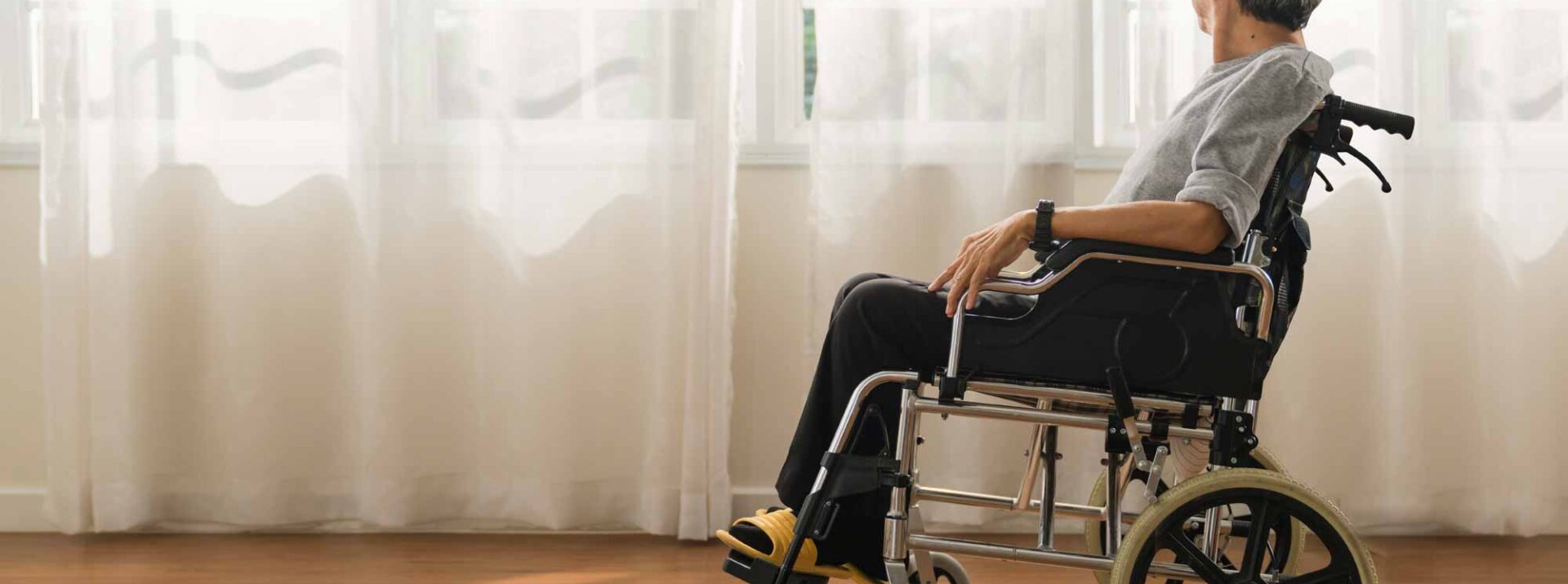

Stroke physiotherapy is an essential part of physical recovery after a stroke. It focuses on helping the patient regain mobility, improve balance, rebuild walking ability, and relearn safer movement patterns for daily life.
At The Physio Studio, our clinical team provides structured, hands-on rehabilitation for people recovering from the physical effects of stroke. Treatment is based on careful assessment, functional goals, and progressive movement retraining, rather than a generic exercise list.
Stroke recovery can involve weakness, stiffness, reduced coordination, pain, fatigue, and difficulty using one side of the body. Our approach sits within wider physiotherapy treatment, with specific neurological rehabilitation techniques used to support each patient’s level of ability and stage of recovery.
Clinical Breakdown of The Physio Studio Stroke Physiotherapy Program
The Physio Studio stroke physiotherapy program is designed to identify what movement has been affected, what compensations have developed, and what physical goals are realistic and measurable. The aim is to improve safe function, reduce secondary complications, and support better long-term independence.
Each treatment plan is built around the patient’s condition. Some people need early mobility retraining after hospital discharge, while others require long-term support for stiffness, walking decline, balance loss, or reduced confidence with daily movement.
The Physical Impact Addressed by Stroke Physiotherapy
A stroke occurs when the blood supply to part of the brain is disrupted. When this affects areas responsible for movement, posture, sensation, or coordination, the body may no longer respond in the same way as before.
Stroke rehabilitation is part of neurological physiotherapy, which focuses on movement problems caused by the brain, spinal cord, or nervous system. At The Physio Studio, treatment is directed at the specific physical limitations created by the stroke, not only the diagnosis itself.
Common issues addressed during rehabilitation include:
- Hemiplegia or weakness affecting one side of the body
- Spasticity, which is neurological stiffness caused by impaired muscle control
- Loss of balance, postural control, and walking confidence
- Reduced hand, arm, leg, or trunk function during daily activities
- Compensatory movement, where the unaffected side takes over too much work
- Joint stiffness, shoulder discomfort, foot positioning issues, or reduced endurance
These problems can make basic tasks more difficult, including standing from a chair, walking indoors, climbing stairs, dressing, reaching, or transferring safely. Physiotherapy helps break these tasks down into controlled, repeatable movement patterns.
How a Neurological Physiotherapist Uses Neuroplasticity to Restore Movement
Neuroplasticity is the brain’s ability to reorganise itself by forming new neural connections. After a stroke, this process is central to physical recovery because the brain may need to find alternative routes to control movement.
A neurological physiotherapist uses targeted, repetitive movement to give the brain clear signals. The more accurately a movement is practised, the more opportunity the nervous system has to strengthen useful pathways.
At The Physio Studio, this means repetition is not random. Movements are selected based on the patient’s weakness, balance control, muscle stiffness, walking pattern, and functional goals.
For example, a patient who struggles to stand evenly may practise controlled weight transfer with manual guidance. A patient with reduced foot clearance may work on hip, knee, and ankle control during walking drills. The objective is to improve movement quality, not simply increase the number of repetitions.
Targeted Methodologies Used in Our Stroke Physiotherapy Approach
The Physio Studio uses a practical stroke physiotherapy approach built around movement re-education, functional rehabilitation, and hands-on correction. Treatment may include guided sitting balance, standing control, walking retraining, stepping practice, strengthening, mobility work, and task-specific exercises.
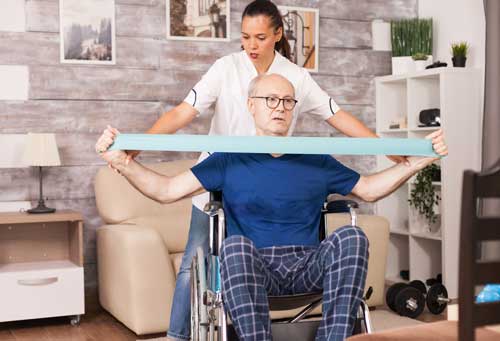
Manual guidance is often used to help the patient feel a better movement pattern. This may involve assisting trunk alignment, controlling the affected shoulder, improving hip and knee positioning, or helping the patient load the affected side safely.
Gait analysis is also important. After a stroke, many patients develop abnormal walking habits, such as hip hiking, reduced foot clearance, uneven stride length, or excessive reliance on the unaffected side. If these habits are not addressed, they can increase fatigue, joint strain, and fall risk.
Spasticity management is another key part of treatment. Spasticity is not ordinary tightness; it is neurological stiffness caused by disrupted communication between the brain and muscles. Physiotherapy may use slow positioning work, controlled strengthening, stretching, weight-bearing, and repeated functional movement to help manage muscle tone.
Where appropriate, The Physio Studio may also integrate musculoskeletal physiotherapy principles to support joint alignment, reduce overload, and manage secondary aches caused by changed movement patterns. Adapted clinical mat pilates exercises may also be used for trunk control, breathing control, core stability, and coordinated movement.
Early Stroke Physiotherapy Intervention and Acute Recovery
Early intervention after hospital discharge can help patients make better use of the recovery window. At this stage, stroke physiotherapy often focuses on safe transfers, walking practice, balance, basic strengthening, and confidence with daily movement.
The Physio Studio helps patients transition from hospital-based rehabilitation into a more functional outpatient setting. This can be especially useful when the patient is medically stable but still has difficulty walking, standing, climbing stairs, or using the affected side.
Early therapy also helps reduce the risk of secondary problems. These may include stiffness, shoulder pain, poor posture, reduced activity levels, falls, and overdependence on the unaffected side.
The clinical team sets practical goals that match the patient’s current ability. For one person, this may mean standing safely from a chair. For another, it may mean improving walking distance, rebuilding stair confidence, or returning to selected household tasks.
Chronic Stroke Management and Long-Term Physiotherapy Protocols
Stroke physiotherapy is not limited to the early recovery period. Many patients continue to benefit from structured rehabilitation months or years after the initial stroke, especially when they have ongoing stiffness, weakness, reduced balance, or declining walking ability.
Long-standing stroke symptoms can change over time. A patient may begin moving less because walking feels harder, which can then lead to further weakness, reduced endurance, and more dependence on assistance.
At The Physio Studio, chronic stroke management focuses on maintaining and improving function. Treatment may include progressive strengthening, balance retraining, gait correction, tone management, mobility work, and task-specific practice.
The team also looks for inefficient movement patterns that may be placing extra strain on joints. If the unaffected side is doing too much work, the affected side may become less active, which can reduce long-term recovery potential.
A structured physiotherapy plan helps patients preserve mobility, reduce avoidable decline, and maintain safer movement habits. This is particularly important for walking speed, stair use, transfers, and confidence outside the home.
Scheduling Your Initial Clinical Physiotherapy Assessment
Effective neurological rehabilitation must be individualised. Before any stroke physiotherapy protocol begins, The Physio Studio carries out a comprehensive, hands-on clinical assessment to understand the patient’s movement limitations, safety risks, and functional goals.
This assessment may review strength, balance, walking pattern, muscle tone, joint mobility, coordination, posture, transfers, and daily activity tolerance. From there, the physiotherapist can set safe, measurable targets and build a treatment plan that reflects the patient’s current stage of recovery.
Contact The Physio Studio to Arrange a Stroke Physiotherapy Consultation
Patients, family members, and caregivers can contact The Physio Studio directly to arrange an initial clinical appointment or ask about service accessibility. The team can advise on assessment, treatment planning, and the most suitable next step based on the patient’s clinical needs.
Stroke physiotherapy appointments are available through The Physio Studio’s Donnybrook Physiotherapy Clinic and Dunshaughlin Physiotherapy Clinic, giving patients access to structured neurological rehabilitation in both Dublin and Meath.
To arrange a stroke physiotherapy consultation, email The Physio Studio at info@thephysiostudio.ie, call 01 825 0151, or 083 177 8885.
In the consult we will:
Identify
Assess how your stroke has affected strength, balance, walking, coordination, posture, and use of the affected side.Treatment
Provide hands-on stroke physiotherapy to improve movement control, mobility, balance, and safer daily function.Tailored Solution
Build a rehabilitation plan around your recovery stage, physical ability, fatigue levels, and personal movement goals.It will also include:
Examination
Assess muscle tone, joint mobility, gait, transfers, posture, balance, stiffness, and movement confidence.Assessment
Identify compensations, spasticity, walking changes, reduced endurance, and any factors increasing fall risk.Results
Help you rebuild walking ability, improve independence, reduce strain, and move with better confidence each day.Contact us!
Call us on 01 8250151 to speak with one of our friendly team, ask any questions or to start getting help.
Alternatively, fill in a form, and we will get back to you as fast as possible.
You’ll be glad you did.
Client Testimonials
My experience of the clinic can be described as hugely positive. Excellent professional service by the team. The physiotherapy treatment and advice that I received was tremendously effective. Based on my experience I strongly recommend.Donal Carey
Great experience, had back pain and was seen by Ava weekly for nearly 2 monhts, she sorted out all the issues and was very happy with her. Great jobJames Cregan
Very positive experience, Had a back problem and it took a few weeks to sort but with the help of the team there is was sorted. Many thanks to Gerry and Ava for the helpMichael Higgins
Gerard obviously knows his stuff. Gave me very good advice.Stephen Horan
Accepted Insurances