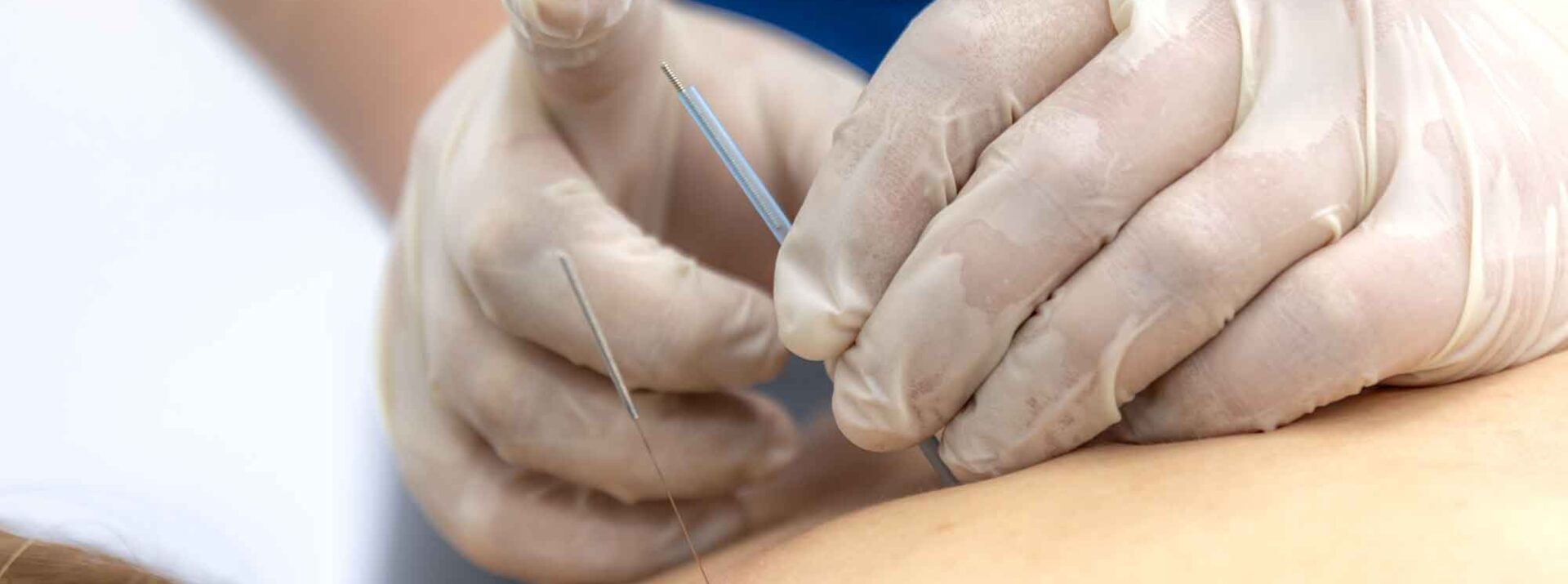

Trigger point dry needling is a precise clinical technique used to release painful, overactive areas within muscle tissue. These sensitive points are often described as “knots”, but they are not literally tied muscles. They are small bands of muscle fibres that have become shortened, irritated, and unable to relax properly.
A useful way to understand this is to picture a knotted rope. When one section is tight, the tension affects the whole rope. In the body, one tight area can pull on nearby joints, restrict movement, and send pain into another region. That is why a trigger point in the shoulder may contribute to headaches, or a tight calf may affect the heel or foot.
At The Physio Studio, we use this technique carefully as part of a wider clinical plan, not as a standalone quick fix. The goal is to reduce pain, improve movement, and help the affected muscle return to normal function.
What is a Trigger Point and How Does it Form in Trigger Point Dry Needling?
A trigger point is a small, irritable area within a tight band of muscle. It can form after injury, repeated strain, poor posture, overtraining, stress, or long periods of holding the same position. Over time, the muscle becomes protective and stays switched on, even when it should be resting.
This is where dry needle trigger point therapy can be useful. A very fine needle is inserted into the specific, tight area to stimulate a local response in the muscle. Unlike massage, which works from the outside, the needle can reach deeper fibres that may be difficult to release manually.
Common signs of trigger points include:
- Deep aching or tightness in one area
- Pain that spreads or refers elsewhere
- Reduced flexibility or stiffness
- Tender spots that reproduce familiar symptoms
- Muscle fatigue or weakness during activity
This is also why dry needling can be helpful when stretching, rest, or general exercise has not fully resolved the problem.
The "Twitch Response" in Trigger Point Dry Needling and Why it Matters
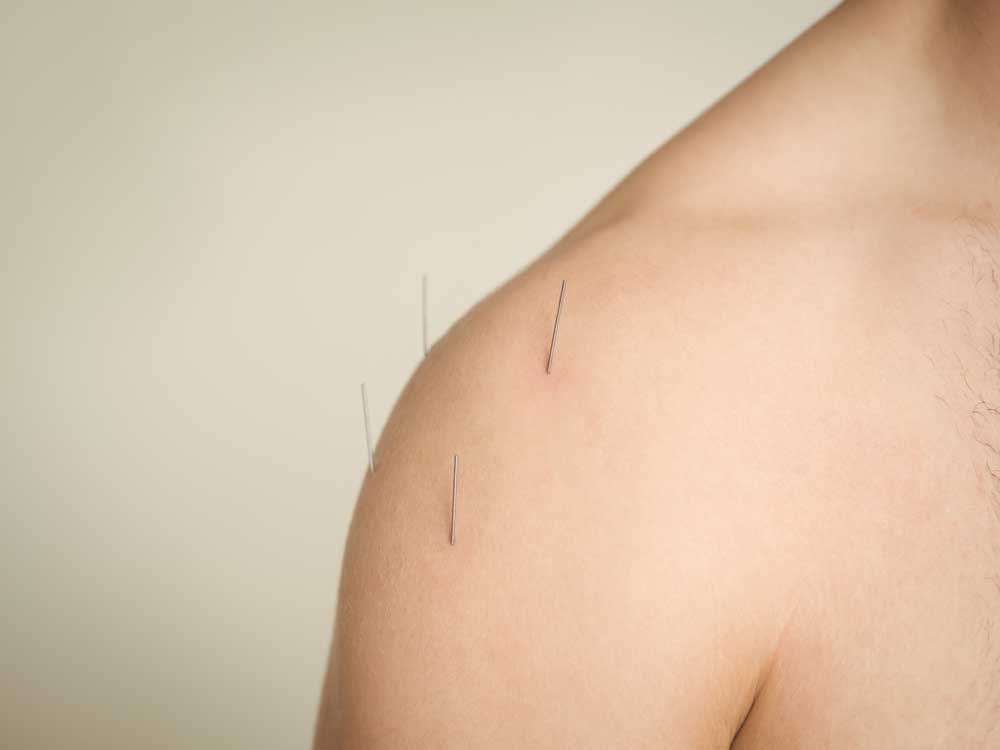
The twitch response is one of the key reasons this treatment can be so effective. When the needle reaches an active trigger point, the muscle may give a quick, involuntary jump or flicker. This can feel unusual, but it is often a positive sign.
That twitch suggests the muscle has responded to the stimulus and is beginning to reset. In simple terms, the tight fibres receive a signal to release, helping reduce the protective tension that has built up in the area.
After the twitch response, many patients notice a change in muscle tone, pressure, or movement. Some temporary soreness can occur, similar to the mild ache felt after exercise, but this usually eases quickly.
Relief for Back, Neck, and Foot Pain with Trigger Point Dry Needling
Trigger point dry needling can be applied across many areas of the body where muscle tension is contributing to pain or restricted movement. It is commonly used alongside manual therapy, exercise rehabilitation, and movement retraining.
It may be recommended for:
- Chronic lower back stiffness, especially when tight spinal or hip muscles keep the area guarded
- Neck pain and tension headaches linked to tight upper trapezius, shoulder, or jaw muscles
- Foot and heel pain where calf tightness increases strain through the lower limb
- Shoulder pain caused by an overactive rotator cuff or postural muscles
- Sports-related tightness that keeps returning despite stretching
For condition-specific care, your physiotherapist may combine this with dry needling for back pain, dry needling for neck pain, or dry needling for plantar fasciitis, depending on where the trigger points are found and how they affect your movement.
Dry Needling vs. Acupuncture: What’s the Difference?
Dry needle trigger point therapy is different from acupuncture. Although both use fine needles, the reasoning behind the treatment is not the same.
Dry needling is based on Western medical anatomy, muscle function, and trigger point science. The needle is placed into a specific tight or irritated muscle area with the aim of changing local muscle tone and reducing pain.
Acupuncture is traditionally based on energy pathways or meridians. While both approaches may help people feel better, trigger point treatment is selected according to physical assessment, pain referral patterns, and musculoskeletal function.
Integrating Therapy into Your Full Recovery Plan
At The Physio Studio, we view trigger point dry needling as one part of a structured recovery plan. Releasing a tight muscle can create an important window of opportunity, but long-term improvement usually depends on how the body moves afterwards.
That is why we often combine needling with physiotherapy treatment, hands-on care, strengthening work, mobility exercises, and education. Where appropriate, musculoskeletal physiotherapy helps identify why the trigger point developed in the first place, whether that relates to posture, load, weakness, workplace habits, or sport.
Once a trigger point has released, pilates can be an excellent way to keep the muscle moving correctly. It supports controlled strength, alignment, breathing, and better movement patterns, helping reduce the chance of the same tightness returning.
Safe Needling from Experienced Chartered Physiotherapists
The Physio Studio has supported patients since 2002 with experienced, patient-centred care. Our Chartered Physiotherapists are trained to assess muscle pain carefully and use dry needle trigger point therapy safely, precisely, and only when it is clinically appropriate.
Before treatment, we explain what we are doing, why we are doing it, and what you may feel. This ensures you remain informed, comfortable, and confident throughout your session.
Start Your Trigger Point Dry Needling Treatment
At The Physio Studio, your care begins with a thorough assessment so we can identify your specific trigger points, understand what is driving your pain, and build a treatment plan around your body, your symptoms, and your recovery goals.
For a thorough assessment or to begin your personalised trigger point dry needling session, contact The Physio Studio today. Call us at 01 825 0151 or email info@thephysiostudio.ie.
In the consult we will:
Identify
Assess what may be contributing to muscle tightness, trigger points, referred pain, or restricted movement.Treatment
Provide targeted dry needling to help release overactive muscle points and reduce discomfort.Tailored Solution
Build a plan that suits your symptoms, movement limits, activity level, and recovery goals.It will also include:
Examination
Assess muscle tone, flexibility, tender points, posture, movement patterns, and pain referral.Assessment
Identify whether symptoms may be linked to repeated strain, poor posture, overtraining, stress, or muscle guarding.Results
Help reduce tightness, improve movement, and support longer-term recovery through guided rehabilitation.Contact us!
Call us on 01 8250151 to speak with one of our friendly team, ask any questions or to start getting help.
Alternatively, fill in a form, and we will get back to you as fast as possible.
You’ll be glad you did.
Client Testimonials
My experience of the clinic can be described as hugely positive. Excellent professional service by the team. The physiotherapy treatment and advice that I received was tremendously effective. Based on my experience I strongly recommend.Donal Carey
Great experience, had back pain and was seen by Ava weekly for nearly 2 monhts, she sorted out all the issues and was very happy with her. Great jobJames Cregan
Very positive experience, Had a back problem and it took a few weeks to sort but with the help of the team there is was sorted. Many thanks to Gerry and Ava for the helpMichael Higgins
Gerard obviously knows his stuff. Gave me very good advice.Stephen Horan
Accepted Insurances