
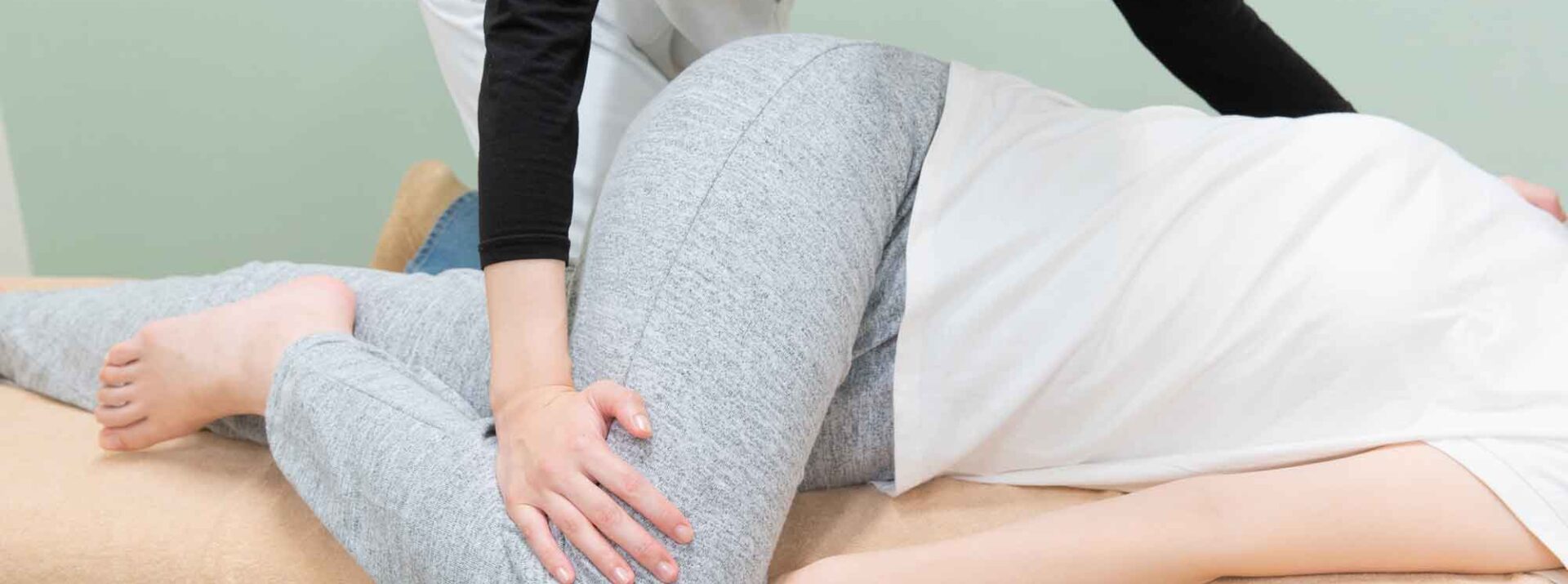

Pelvic health plays an important role in comfort, movement, continence, confidence, and day-to-day well-being. When the pelvic floor is not working as it should, it can affect far more than one area of the body. Some people notice bladder urgency, leaking, pelvic heaviness, discomfort with activity, lower back or hip pain, or difficulty returning to exercise after pregnancy.
These symptoms are common, but they are not something you have to simply live with. At The Physio Studio, pelvic floor physiotherapy in Dublin is approached with privacy, respect, and clinical clarity. Since 2002, our focus has been on expert care that begins with a thorough assessment and leads to a personalised treatment plan based on the individual, not a generic programme.
Understanding Pelvic Floor Physiotherapy Dublin
The pelvic floor is a sling of muscles that supports the bladder, bowel, and pelvic organs. Like any other muscle group, it can become weak, overactive, poorly coordinated, or strained. Symptoms can appear gradually, after pregnancy, after surgery, during menopause, following injury, or because of changes in posture, breathing, workload, or activity levels.
A specialised assessment helps identify why symptoms are happening. Pelvic floor physiotherapy is not just about strengthening. For some patients, the main issue is tension or difficulty relaxing the pelvic floor. For others, it may involve weakness, poor timing, reduced core control, or pelvic girdle mechanics. Understanding the cause is important before beginning any effective physiotherapy treatment.
Common reasons people seek help include:
- Bladder urgency or leaking when coughing, sneezing, laughing, or exercising
- Pelvic heaviness, pressure, or prolapse-related symptoms
- Pelvic, hip, lower back, or tailbone discomfort
- Pain with movement, intimacy, or sitting
- Difficulty returning to exercise after pregnancy or surgery
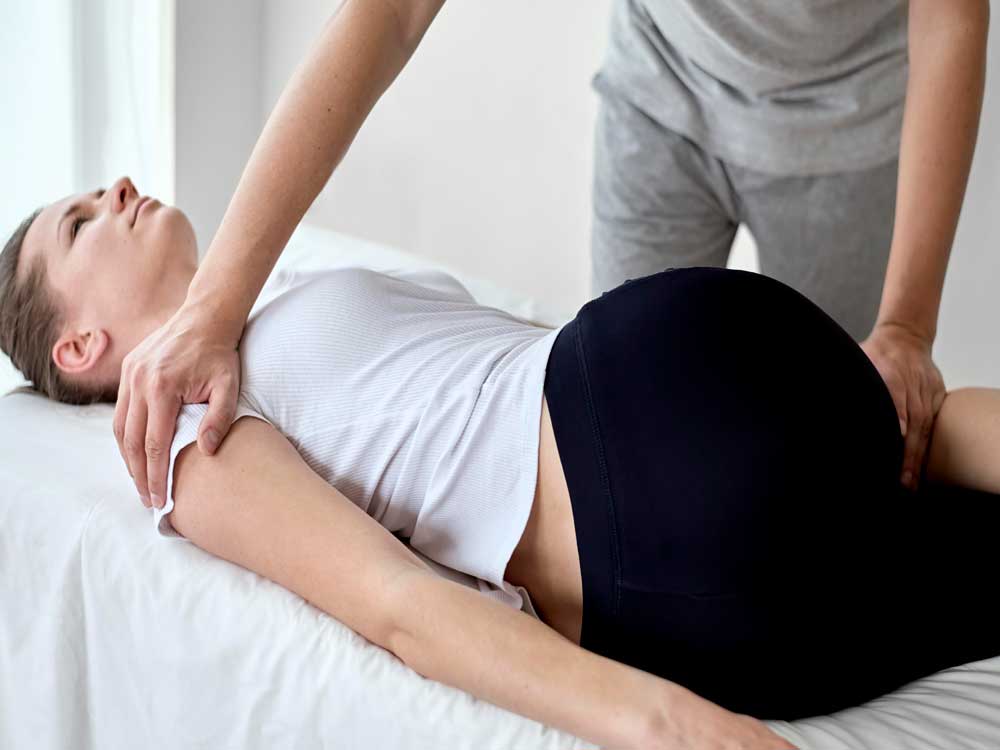
Personalised Treatments for Pelvic Floor Physiotherapy Dublin
Treatment starts with listening. Your physiotherapist will take time to understand your symptoms, medical history, lifestyle, activity level, and goals. From there, a personalised treatment plan may include pelvic floor muscle retraining, breathing strategies, posture guidance, strength work, relaxation techniques, and practical advice for daily movement.
The pelvic floor does not work in isolation. It connects closely with the hips, lower back, abdomen, diaphragm, and pelvic girdle. This is where principles from musculoskeletal physiotherapy are especially valuable. By assessing how the body moves as a whole, treatment can address contributing factors such as hip stiffness, reduced core control, poor load management, or tension patterns around the pelvis.
The Role of Exercise in Pelvic Floor Physiotherapy
Exercise can be highly effective when it is matched to the person. Some patients need strengthening, while others need to learn how to relax and coordinate the pelvic floor before building load. A balanced plan supports recovery without overloading sensitive tissues or reinforcing unhelpful movement habits.
Guided movement may help to:
- Improve pelvic floor timing and coordination
- Support the pelvic organs during lifting, walking, and exercise
- Build core stability without excessive pressure
- Improve breathing and movement control
- Restore confidence with everyday activity and structured fitness
Clinical exercise and pilates can be useful when carefully adapted to pelvic health needs. The goal is not simply to “do more exercises”, but to choose movements that support your recovery, improve control, and help you return safely to the activities that matter to you.
Support for Pregnancy and Postnatal Recovery
Pregnancy and the postnatal period place significant demand on the pelvic floor, abdominal wall, hips, and lower back. During pregnancy, changes in posture, load, hormones, and breathing mechanics can contribute to pelvic pressure, back pain, or bladder symptoms. Specialist care can help you manage these changes safely and comfortably.
Pregnancy physio dublin services can support expectant mothers with pelvic girdle discomfort, preparation for birth, movement advice, and guidance on safe activity. After birth, postnatal physiotherapy can help assess recovery, rebuild strength, address symptoms early, and support a gradual return to exercise. Pelvic floor physiotherapy in Dublin can be especially helpful for restoring long-term function rather than focusing only on short-term symptom relief.
Tips for Maintaining Pelvic Health Every Day
Small daily habits can make a meaningful difference. The pelvic floor responds to pressure, posture, breathing, and repeated movement patterns, so practical changes can support your treatment plan between appointments.
Helpful habits include:
- Avoid holding your breath when lifting, standing, or exercising
- Exhale gently during effort, such as rising from a chair or carrying bags
- Manage constipation, as straining can increase pelvic floor pressure
- Vary sitting and standing positions during the day
- Build activity gradually rather than rushing back into high-impact exercise
- Seek guidance early if symptoms persist or worsen
Pelvic health is not about restriction. It is about learning how your body responds and building the confidence to move well again.
Expert Care in a Private, Supportive Environment
Your consultation is handled with discretion, professionalism, and respect. The Physio Studio provides care in a calm, private setting where you can speak openly and receive clear guidance without judgment.
Appointments are available through our donnybrook physiotherapy clinic and dunshaughlin physiotherapy clinic, giving patients access to experienced care in convenient locations. Every plan is tailored to your symptoms, comfort level, and recovery goals.
Book Your Private Consultation Today
At The Physio Studio, we are dedicated to helping you regain your mobility and live a life free from discomfort. Our team of experts is ready to provide the thorough assessment you need to understand your injury and begin your journey toward lasting health.
For a thorough assessment or to begin your personalised treatment for pelvic floor physiotherapy Dublin, contact The Physio Studio today. Call us at 01 825 0151 or email info@thephysiostudio.ie.
In the consult we will:
Identify
Assess what may be contributing to pelvic floor symptoms, discomfort, pressure, or reduced confidence.Treatment
Provide treatment to help improve pelvic floor function, comfort, control, and movement.Tailored Solution
Build a plan that suits your symptoms, comfort level, lifestyle, and recovery goals.It will also include:
Examination
Assess pelvic floor function, breathing, posture, core control, hip movement, and contributing factors.Assessment
Identify whether the issue may involve weakness, tension, coordination, pressure, or movement patterns.Results
Help you move with more confidence, improve control, and support better pelvic health day to day.Contact us!
Call us on 01 8250151 to speak with one of our friendly team, ask any questions or to start getting help.
Alternatively, fill in a form, and we will get back to you as fast as possible.
You’ll be glad you did.
Client Testimonials
My experience of the clinic can be described as hugely positive. Excellent professional service by the team. The physiotherapy treatment and advice that I received was tremendously effective. Based on my experience I strongly recommend.Donal Carey
Great experience, had back pain and was seen by Ava weekly for nearly 2 monhts, she sorted out all the issues and was very happy with her. Great jobJames Cregan
Very positive experience, Had a back problem and it took a few weeks to sort but with the help of the team there is was sorted. Many thanks to Gerry and Ava for the helpMichael Higgins
Gerard obviously knows his stuff. Gave me very good advice.Stephen Horan
Accepted Insurances