
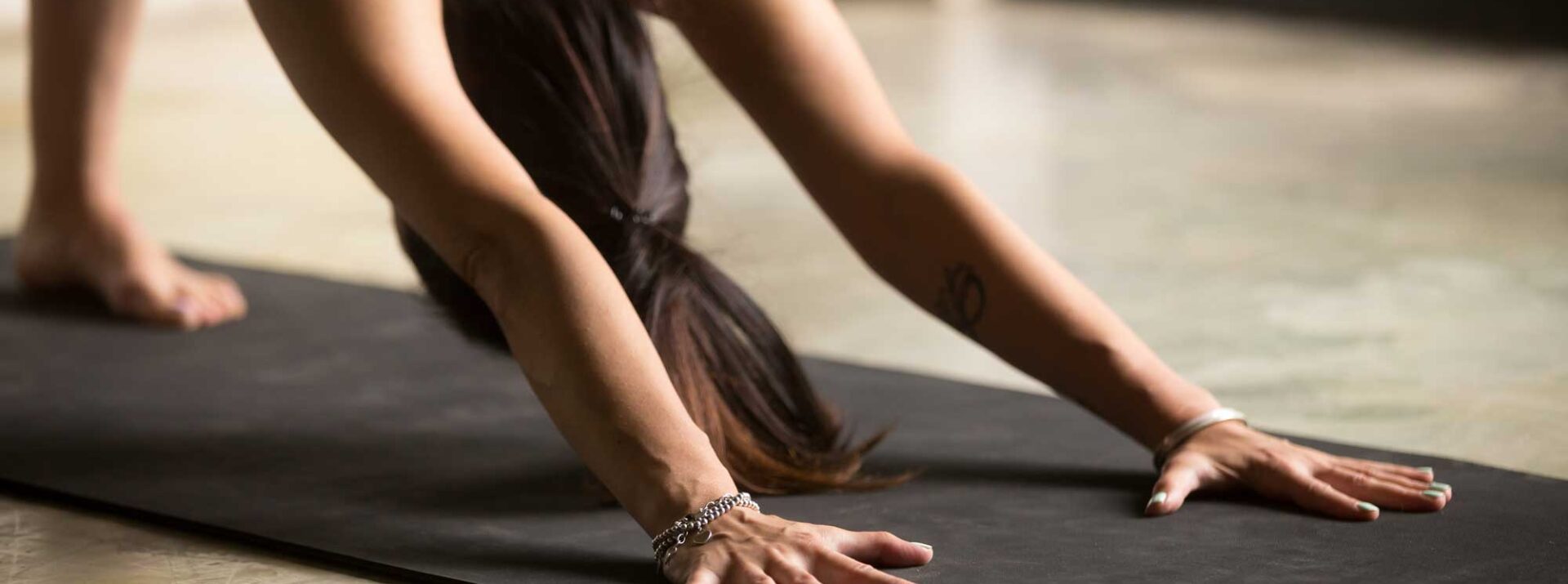

Pilates for diastasis recti can be highly effective when it is prescribed clinically, progressed carefully, and adapted to how your abdominal wall responds under load. At The Physio Studio, your programme is led by qualified physiotherapists who understand how to restore core integrity without creating harmful pressure through your midline.
Diastasis recti occurs when the linea alba, the connective tissue between the rectus abdominal muscles, becomes stretched and loses tension. This can leave your abdominal wall less able to support your spine, pelvis, and internal pressure during lifting, sitting up, coughing, feeding, or exercise.
Our approach uses modified pilates to retrain deep abdominal control, reduce visible midline bulging, and rebuild strength from the inside out. You are not pushed through generic fitness movements; you are guided through specialised clinical exercise designed around your tissue tolerance, breathing pattern, posture, and recovery stage.
How Our Specialised Physiotherapy and Pilates for Diastasis Recti Programme Heals Abdominal Separation
Pilates for diastasis recti must be different from a standard core class. Many general abdominal exercises increase intra-abdominal pressure, pushing the abdominal wall outwards and making the separation more visible under strain.
At The Physio Studio, your physiotherapist assesses how your abdomen behaves before exercise is progressed. This allows your programme to target safe tissue remodelling, improved deep muscle timing, and better load sharing through your trunk and pelvis.
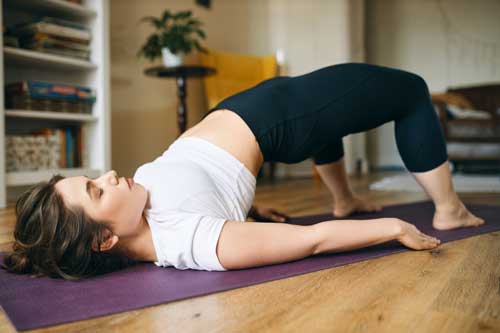
Safe Physio Pilates for Diastasis Recti to Rebuild Your Deep Core Strength
Pregnancy, rapid abdominal stretching, repeated heavy bracing, or excessive internal pressure can widen the gap between your rectus muscles. The issue is not simply cosmetic; when the linea alba cannot create firm tension, your abdomen has less structural backing during daily movement.
This is why pilates for diastasis recti must focus first on pressure control, not abdominal effort. If your core bulges, cones, or domes during a movement, the exercise is too demanding for your current level of control.
Safely narrowing this gap without irritating your lower back sits directly within advanced postnatal physiotherapy and targeted pregnancy physio care. Your physiotherapist can assess whether your abdominal wall is recovering normally, whether your pelvis is compensating, and whether your breathing strategy is creating unnecessary downward or outward pressure.
A compromised abdominal wall often affects the lower back because your spine receives less support during lifting, carrying, feeding, standing, and floor transfers. When this pattern persists, you may also need targeted physio for back pain to restore better coordination between your trunk, pelvis, and hips.
Protecting Your Abdominal Wall During Your Physiotherapist-Led Pilates for Diastasis Recti Sessions
Crunches, sit-ups, double leg lifts, aggressive planks, and intense twisting can place excessive outward force through the abdominal midline. These exercises may look like core strengthening, but they can actively worsen abdominal coning when your deep support system is not ready.
During pilates for diastasis recti, your physiotherapist modifies your position, range, breathing, and loading so your midline remains controlled. You may work in crook lying, side-lying, seated, supported kneeling, or standing positions, depending on how your abdominal wall responds.
Clinical mat work often starts with low-load transversus abdominis activation. You learn to draw the lower abdomen gently inwards and upwards without gripping your ribs, tucking forcefully under your pelvis, holding your breath, or pushing pressure into the gap.
Specialised support props may be used to improve alignment and reduce strain. These same safety principles are central to our foundational beginners pilates programmes, where control, pacing, and correct movement behaviour are prioritised before harder strength work is added.
Specialised Postnatal Recovery at Our Dunshaughlin and Donnybrook Physiotherapist Clinics
At The Physio Studio, your sessions are designed to make deep core activation clear and measurable. Your instructor may cue rib expansion, pelvic neutral indexing, controlled exhalation, and low-level abdominal tension so your core wall flattens rather than bulges.
Small-group clinical environments allow your movement to be observed continuously. Through our specialised classes at Pilates Dunshaughlin and Pilates Donnybrook, your physiotherapist can check whether you are using the correct muscles during transitions, leg movements, arm loading, and posture changes.
This matters because many people compensate without realising it. You may brace through your upper abdominals, grip your hip flexors, arch your lower back, or bear down through your pelvic floor when trying to “engage your core”.
Physiotherapist-led correction helps you replace these inefficient behaviours with cleaner control. The aim is not to force the abdominal muscles together; it is to restore enough tension through the linea alba so your core can support movement safely again.
Strengthening Your Deep Core with a Chartered Physiotherapist
True abdominal recovery requires more than isolated stomach exercises. Your diaphragm, transversus abdominis, pelvic floor, lower back muscles, and pelvis operate as one pressure system.
When this system is poorly coordinated, pressure escapes through the weakest area. For many postnatal clients, that weak point is the stretched abdominal midline, which is why pilates for diastasis recti must include breathing, posture, pelvic control, and load management.
Your physiotherapist may combine exhalation timing with gentle transversus abdominis recruitment. As you breathe out, you are guided to narrow the lower waist, maintain pelvic neutral, and keep the abdominal wall smooth while your limbs move.
This is closely linked with pelvic floor physiotherapy, especially if you experience heaviness, leaking, pelvic pressure, or difficulty coordinating your breath with effort. Treating the abdomen and pelvic floor together helps you build a more responsive muscular wall for lifting your baby, carrying shopping, returning to exercise, and managing everyday physical demands.
Book Your Initial Clinical Physiotherapy Assessment Today
Safe abdominal wall recovery must be individualised. Before starting any programme, a comprehensive physical examination with a qualified physiotherapist at The Physio Studio is necessary to measure your abdominal separation, assess your posture, check tissue tension, and trace your deep muscle activation.
Your physiotherapist will also observe how your abdomen behaves during breathing, head lifts, limb movements, and functional tasks. This gives you clear movement boundaries and ensures your exercises are progressed only when your core can tolerate them without outward bulging, breath-holding, or pelvic compensation.
Contact a Chartered Physiotherapist at The Physio Studio
To arrange an initial clinical appointment or ask about class suitability, contact The Physio Studio directly. The team can help you choose the most appropriate starting point based on your recovery stage, symptoms, clinic access, and physiotherapy assessment findings.
You can contact The Physio Studio by emailing info@thephysiostudio.ie, calling 01 825 0151, or 083 177 8885.
In the consult we will:
Identify
Assess abdominal separation, midline control, posture, breathing, pelvic position, and how your core responds under load.Treatment
Use physiotherapist-led pilates to retrain deep core control, pressure management, and safer abdominal activation.Tailored Solution
Build a plan around your recovery stage, symptoms, tissue tolerance, strength, posture, and movement goals.It will also include:
Examination
Check abdominal wall behaviour during breathing, head lifts, limb movement, transitions, and daily tasks.Assessment
Identify bulging, coning, breath-holding, pelvic compensation, weak core timing, and unsafe loading patterns.Results
Help improve core support, abdominal control, posture, confidence, and safer movement during daily activity.Contact us!
Call us on 01 8250151 to speak with one of our friendly team, ask any questions or to start getting help.
Alternatively, fill in a form, and we will get back to you as fast as possible.
You’ll be glad you did.
Client Testimonials
My experience of the clinic can be described as hugely positive. Excellent professional service by the team. The physiotherapy treatment and advice that I received was tremendously effective. Based on my experience I strongly recommend.Donal Carey
Great experience, had back pain and was seen by Ava weekly for nearly 2 monhts, she sorted out all the issues and was very happy with her. Great jobJames Cregan
Very positive experience, Had a back problem and it took a few weeks to sort but with the help of the team there is was sorted. Many thanks to Gerry and Ava for the helpMichael Higgins
Gerard obviously knows his stuff. Gave me very good advice.Stephen Horan
Accepted Insurances